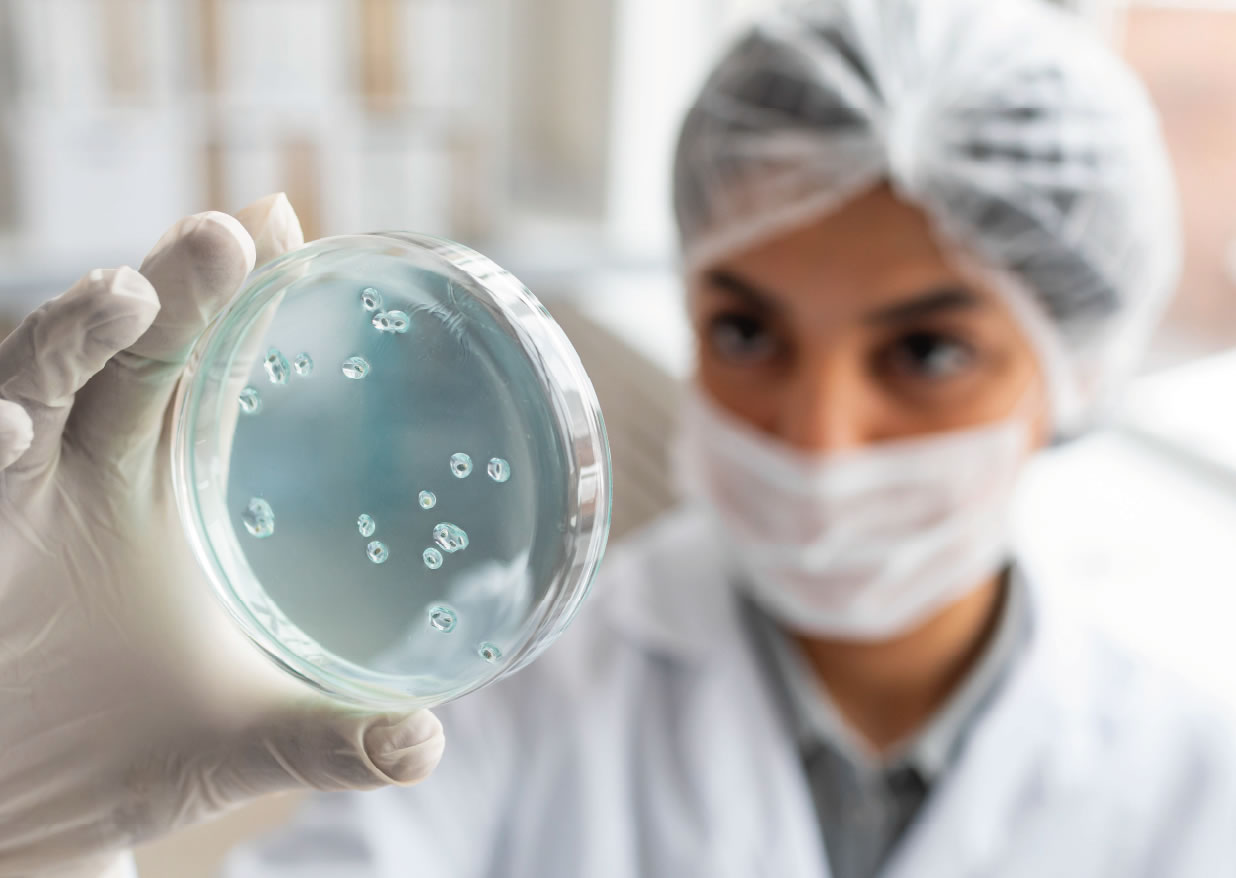
AMR is a One Health issue: the health of animals, humans, and the environment is deeply interconnected. Scientific evidence has shown that animals can act as reservoirs of resistant bacteria and resistance genes, which may be transmitted to humans through direct contact, the food chain, or shared environments. Addressing AMR therefore requires coordinated action across veterinary medicine, human healthcare, and environmental management, to preserve the effectiveness of antimicrobials for all.
Current scientific evidence shows that antimicrobial resistance circulates across the human–animal–environment interface. Veterinary medicine therefore plays a critical role in preventing, detecting, and limiting the spread of resistance — protecting both animal health and public health.